Durban, South Africa • 7–9 July 2025
Women entrepreneurs across Africa are driving practical climate solutions—recycling, waste diversion, climate-smart agriculture—while shouldering most unpaid care work at home and in their communities. When care is invisible, women’s businesses remain underfunded and under-recognized. Greenovations 2 Africa sets out to change that, launching with a two-day kick-off at the University of KwaZulu-Natal (UKZN) in Durban.
More than 15 participants joined the workshop, including the host Africa Institute of Indigenous Knowledge Systems (AIIKS) and partners from UNU-VIE, the Women Entrepreneurial Access Center (WEAC), UNFCCC, the Nigeria Climate Innovation Center (NCIC), Fundación Avina, UKZN experts, local women entrepreneurs working in waste, recycling and agriculture, and a donor representative from the International Development Research Centre (IDRC) of Canada, which supports the initiative.
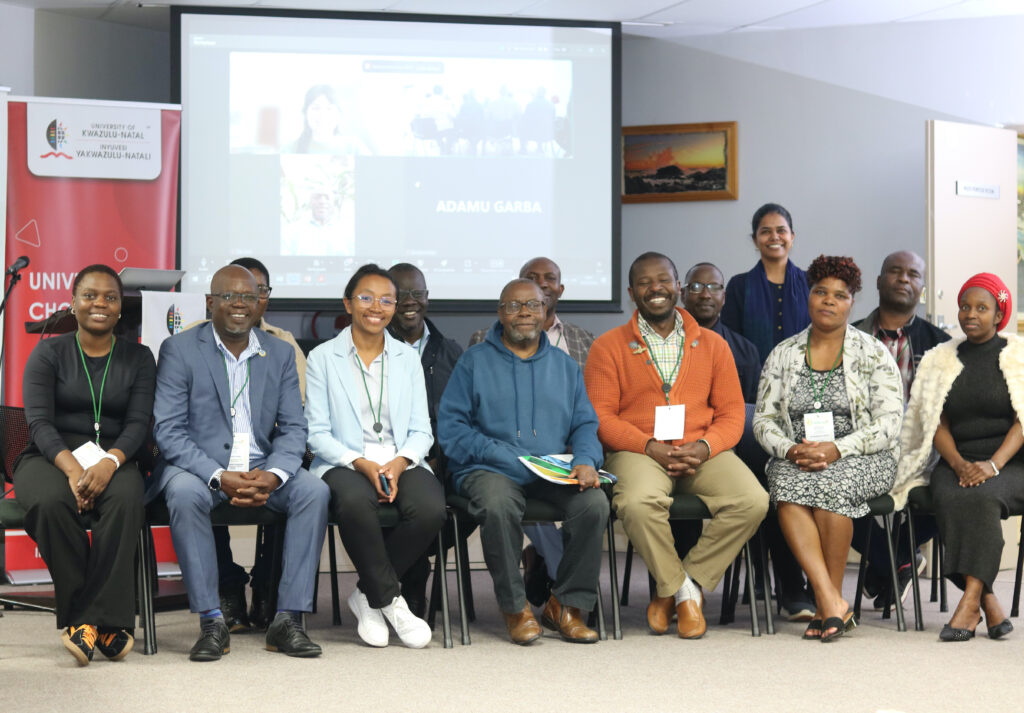
The project—formally “Bridging Unpaid Care Work and Climate Financing to Empower Women Green Entrepreneurs’ Climate Action in Africa”—links the care, entrepreneurship and climate agendas. It seeks to
- quantify women entrepreneurs’ mitigation and adaptation contributions through a practical tool,
- reduce gender gaps in access to climate finance, and
- co-design gender-just, care-sensitive solutions with entrepreneurs and enterprise support organizations to address unpaid care burdens among women entrepreneurs in urban and rural settings across Africa and Latin America.
Greenovations 2 Africa is led by UNU-VIE with partners AIIKS, WEAC, UNFCCC, NCIC and Fundación Avina, with support from the International Development Research Centre (IDRC), Canada.
A core output under development is the Green Entrepreneurs Climate Impact Model (GECIM)—a user-friendly platform for women, including those operating informally, to present their climate impacts in formats trusted by buyers and funders.
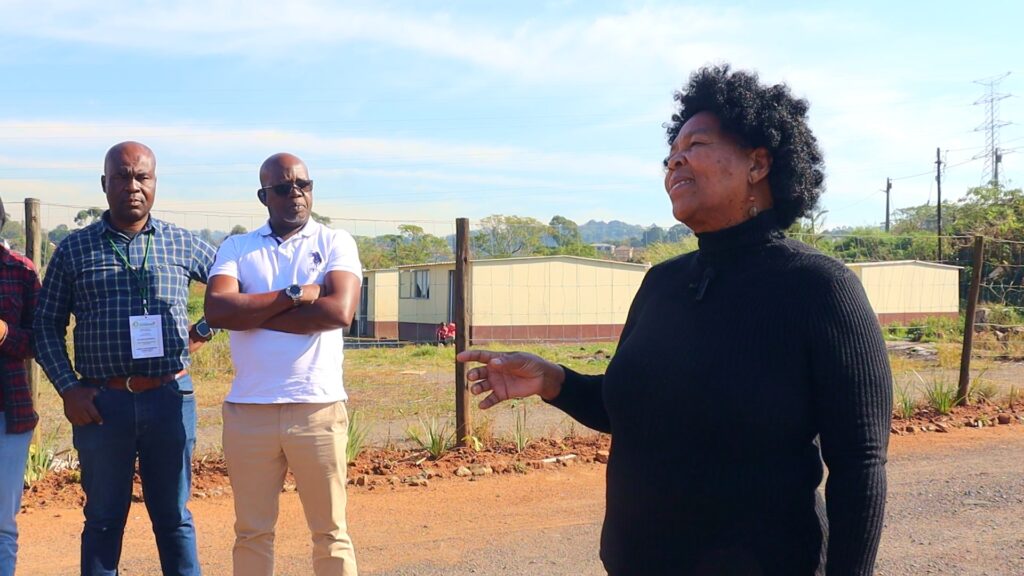
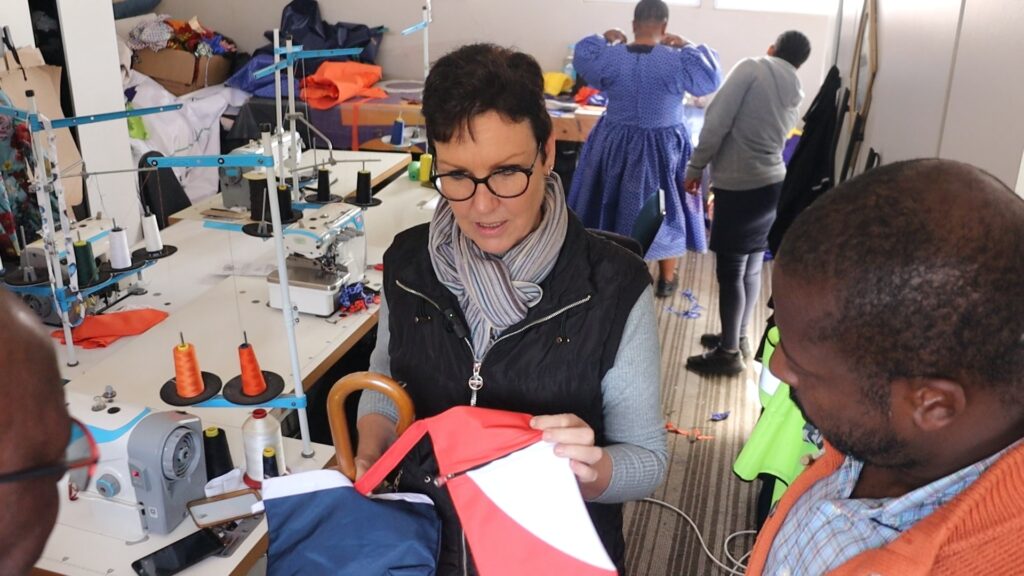
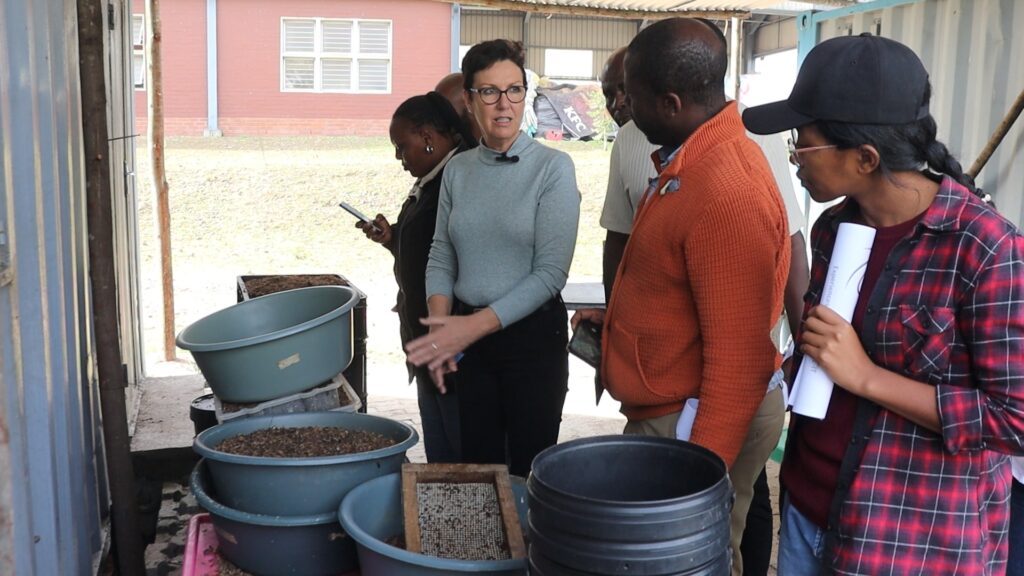
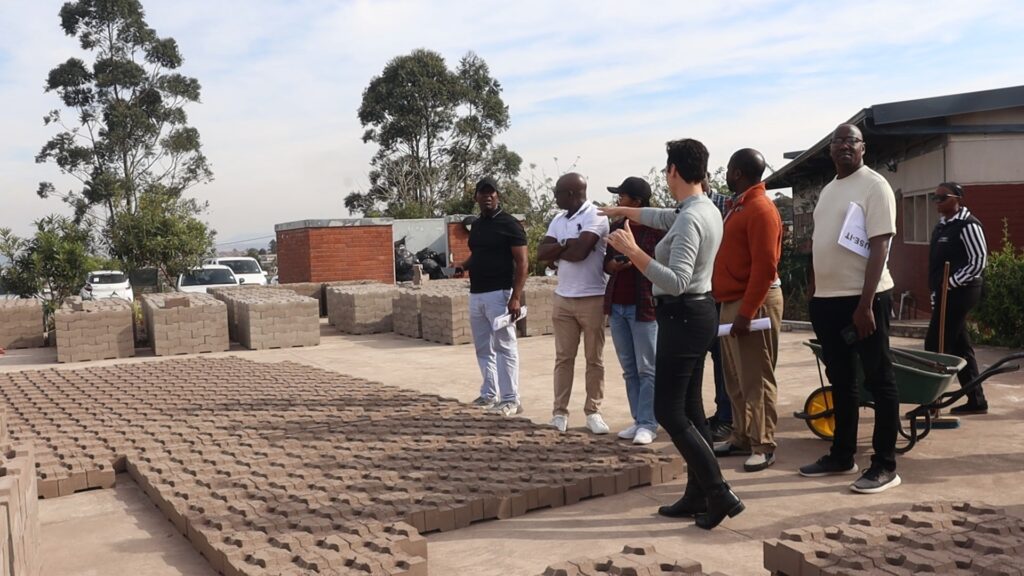
To ground decisions in lived realities, the workshop combined working sessions with field visits to women-led enterprise sites around Durban:
- Big Start Training & Development: A women-led, accredited facility in sustainable waste management demonstrating how skills and certification open entry points into the waste value chain. The lack of on-site childcare emerged as a practical barrier; care-friendly schedules and local childcare links could widen access to training.
- USE-IT: A circular economy–focused centre supported by the eThekwini Municipality’s Economic Development Unit. Lesson learned at the visits underscored that unpaid care routinely limits women’s participation—even in advanced support centres. Flexible hours and clear referral pathways to social services were highlighted to be essential features of enterprise support, not add-ons.
- Asiye eTafuleni (AeT): An organization advancing inclusive urban design with informal women entrepreneurs selling their produce. It was the only site observed with a childcare option for traders; however, capacity (fewer than 15 children) and fees still limit access. Combined with flood risk, limited WASH services, disability considerations and many traders aged 50–60+, safe infrastructure plus affordable care can go a long way in assisting these women entrepreneurs.
Key insights from the workshop and visits include:
- Care is a business issue. Recognizing and reducing unpaid care constraints improves women’s time, mobility and earnings—and should be reflected in finance and support programmes.